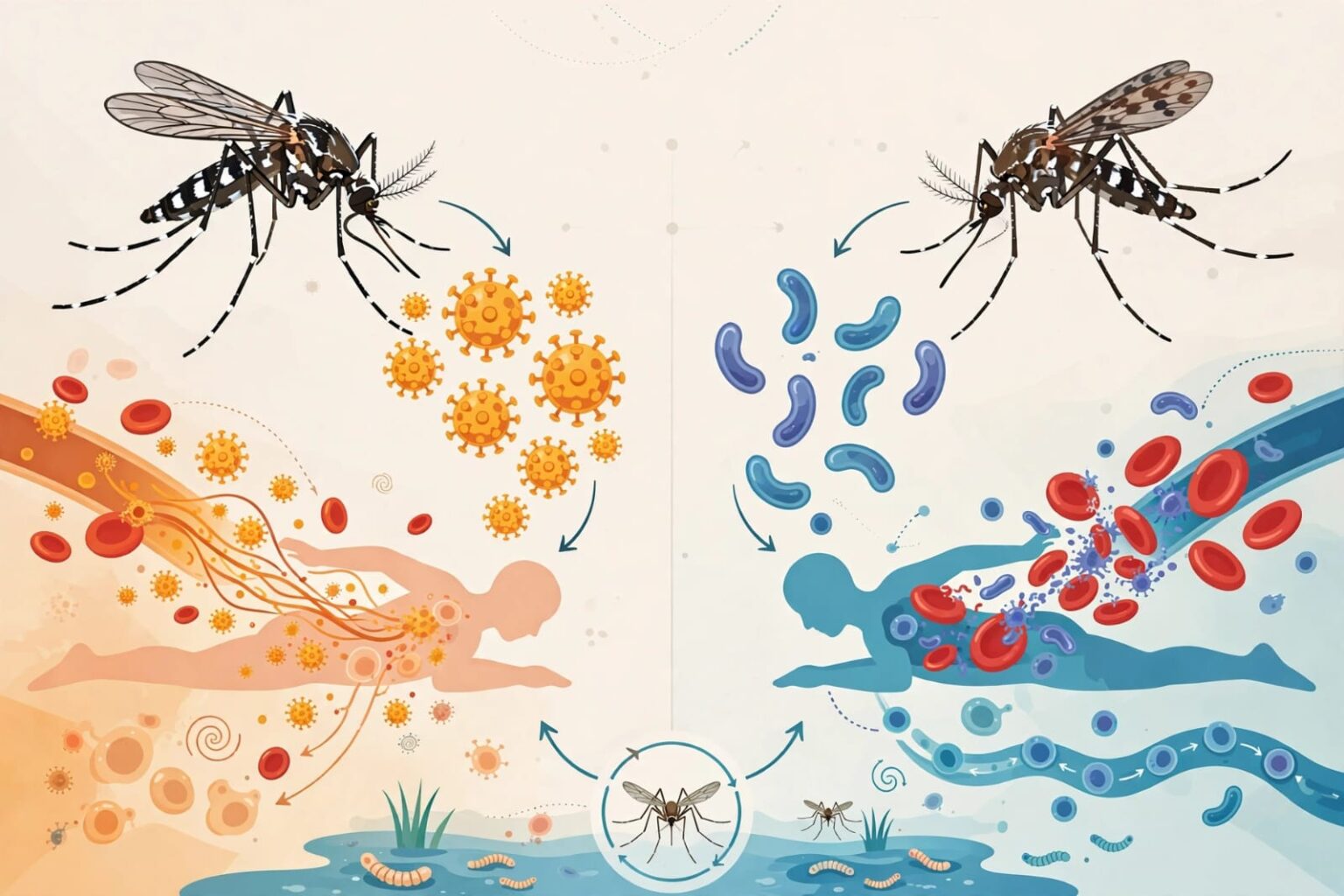

The effects of climate change (such as shifts in rainfall patterns and increases in temperature) will lead to extended periods during which people may be exposed to mosquitoes and water-borne diseases, and will increase the geographical area where these types of infections can occur.
Environment Pulse Desk: According to a study published recently, the changes in monsoon trends along with an increase in baseline temperatures have altered the risk of developing infectious diseases in all regions of India. The experts caution that as these diseases begin to appear in previously unaffected locations, they will remain present throughout much of the year, increasing the burden placed upon the country’s public health system.
A number of reports that have been released in the last few weeks (such as a report from Mongabay India on Oct. 5th, 2026), have described how heatwaves, extreme rain, floods and droughts are affecting where disease spreads. Warmer temperatures and changing rainfall patterns allow mosquitoes to live and reproduce longer; and extreme events like flooding contaminate drinking water sources and expose individuals to pathogens.
Mosquito-transmitted diseases
Diseases such as dengue, malaria, chikungunya and zika have been significantly impacted. According to research, dengue transmission increases as long as temperatures remain at least 27°C, rainfall is moderate and humidity is 60-78%. A 2025 study conducted by researchers at the Indian Institute of Tropical Meteorology (IITM) along with their collaborators found a strong correlation between monsoon conditions and increased numbers of dengue cases in areas like Pune; their models also indicated that there would be a continued increase in dengue cases based on predicted climate changes.
As a result, Dengue is no longer mainly a summer disease. It occurs most of the year. Also, many of the regions that used to have little risk of dengue are having cases reported. Many of these regions are at high altitudes such as the Himalayan foothills. In addition, the temperature in these high altitude regions is rising. As a result, Anopheles mosquitoes which transmit malaria can live there.
Malaria has a less predictable future. Under high emissions scenarios, projections predict decreases in malaria prevalence in areas with high rainfall (due to washing out of mosquito breeding grounds) and potential increases in malaria prevalence in areas such as western and peninsula India after the monsoon season. In recent years, coastal states have experienced disproportionately large shares of mosquito-borne diseases. This can be attributed to increased temperature, humidity and sea level rise.
Infectious diseases that are transmitted by water.
In addition to being a major cause of flooding, floods also increase the likelihood of contracting a water-borne disease. If sewage treatment plants become overloaded during a flood event, then both human and animal wastes can enter public drinking water systems; therefore, increasing the possibility of developing conditions such as Cholera, Hepatitis A and E, Leptospirosis, and Diarrhea. Data on Cholera in Kolkata (formerly Calcutta), India indicates that there is a peak in cases of Cholera as summer temperatures rise and the rainy season begins. According to health experts, although some of these diseases have been typically limited to the hot pre-monsoon period, many of them are currently appearing on a more frequent basis throughout the entire year.
What Experts Wish to Accomplish
India’s National Action Plan on Climate Change and Human Health has identified that temperature, humidity, and rainfall can intensify vector-borne diseases. Researchers and health officials have also called for increased disease surveillance; early warning systems based upon climate factors (i.e. dengue prediction models); improved sanitation; and a One Health approach which integrates human health with animal health and environmental health.
In order for health systems to respond effectively to growing climate variability, they will need to continually adjust and adapt. To minimize the increasing impact that infectious diseases are having on communities, it is essential that health systems focus on targeted vector control programs, create public awareness about the risks associated with these diseases, and build the types of resilient infrastructure that can withstand the effects of extreme weather events.
Also Read: Dance, and You Power the Lights


