

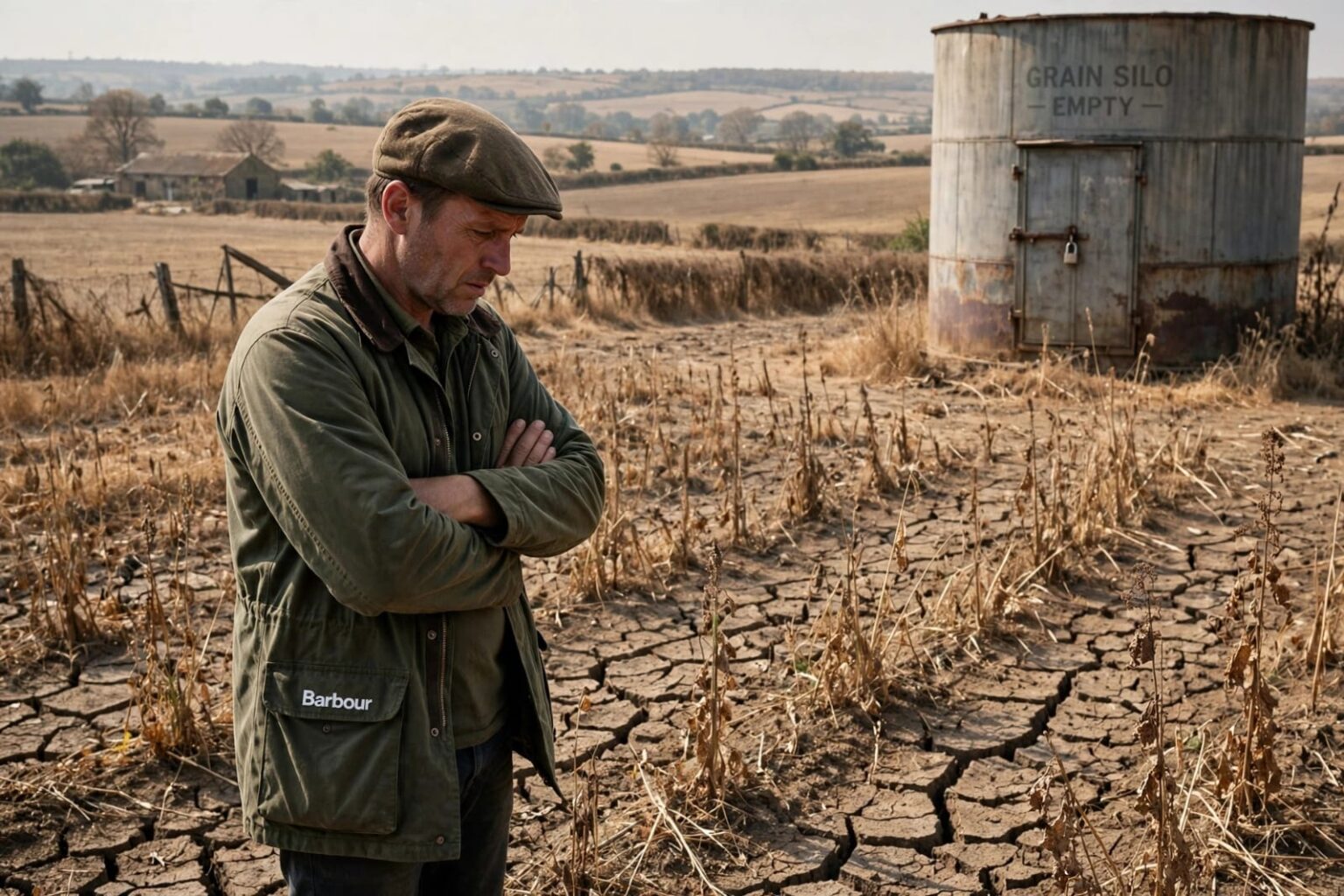

England has recorded its worst cereal and oilseed rape harvest in 42 years, dropping to a historic low of about 16.03 million tonnes due to extreme summer weather, including long droughts and low rainfall. Significant drops were reported in barley, oats, and winter wheat yields following a dry spring, heatwaves, and a severely dry July. This poor harvest reflects a broader worrying trend driven by climate change, where three of the five worst farming years since 1984 have occurred in this decade. Consequently, farmers face escalating financial strains from high input costs and unpredictable weather, prompting experts to call for urgent action to safeguard UK food production.
Environment Pulse Desk: The total volume of England’s cereal and oilseed rape harvests was the lowest since 1984, when detailed records started, at about 16.03 million tonnes. Extremely hot summers (with long periods of drought, very low rainfall) were largely responsible for reducing the amount of food grown across the country.
In addition, the analysis shows that England produced approximately 11 percent less barley (3.7 million tonnes), and approximately 29 percent less oats (527,000 tonnes) – the least amount of oats in 14 years. Yields of winter wheat were about 11 percent less than the previous five years; yields of spring barley were about 17 percent less; yields of oats were about 14 percent less.
The bad year for farming followed a dry spring, two heatwaves in May and June, and then an extremely dry July which led to drought conditions in most of England and all of Wales. The bad year for farming is part of a worrying trend – three out of the five worst years for farming since detailed records started in 1984 have happened during this decade due to extreme weather.
Some years before the drought in 2012, there had been very wet winters which meant that many farmers could not plant their crops until much later than usual. Other years before the drought in 2012, there had been extremely hot and dry summers which dried up many crops before they were ready to be harvested.
Many farmers now have serious money worries because they are paying more for their inputs (fertiliser, fuel etc) than they are getting paid for their crops. Some farmers are even wondering whether it will be possible to continue growing crops if the weather continues to get more and more unpredictable.
Experts believe that the extreme weather is caused by climate change. They point out that extremely hot days are becoming much more likely to happen. The lack of food produced this year highlights the increasing difficulties facing people producing food in the UK, and also shows why people need to take more action to protect themselves against similar problems happening again.
Also Read: El Niño could intensify environmental stress on Keralam’s forests and wildlife


