


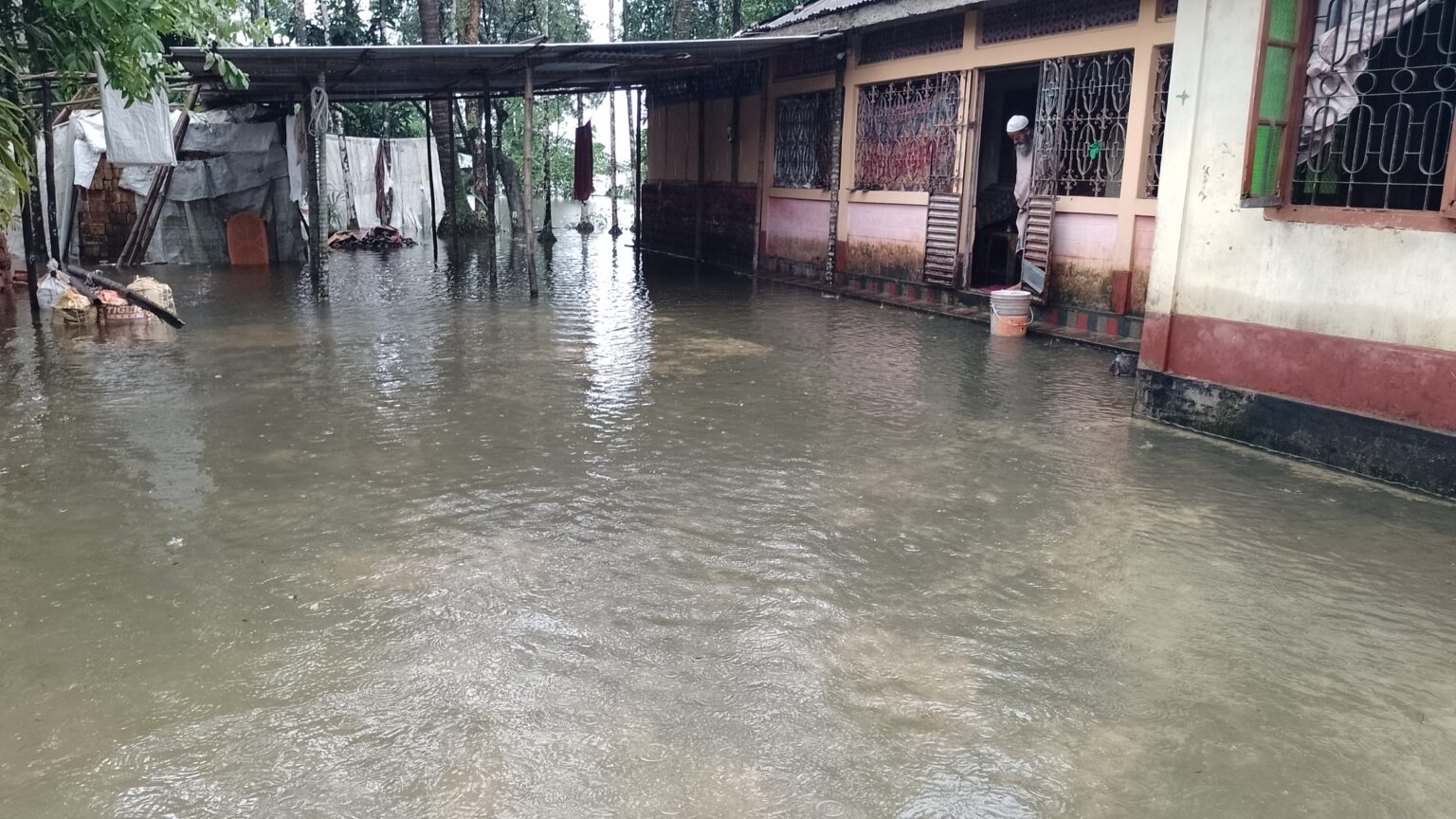

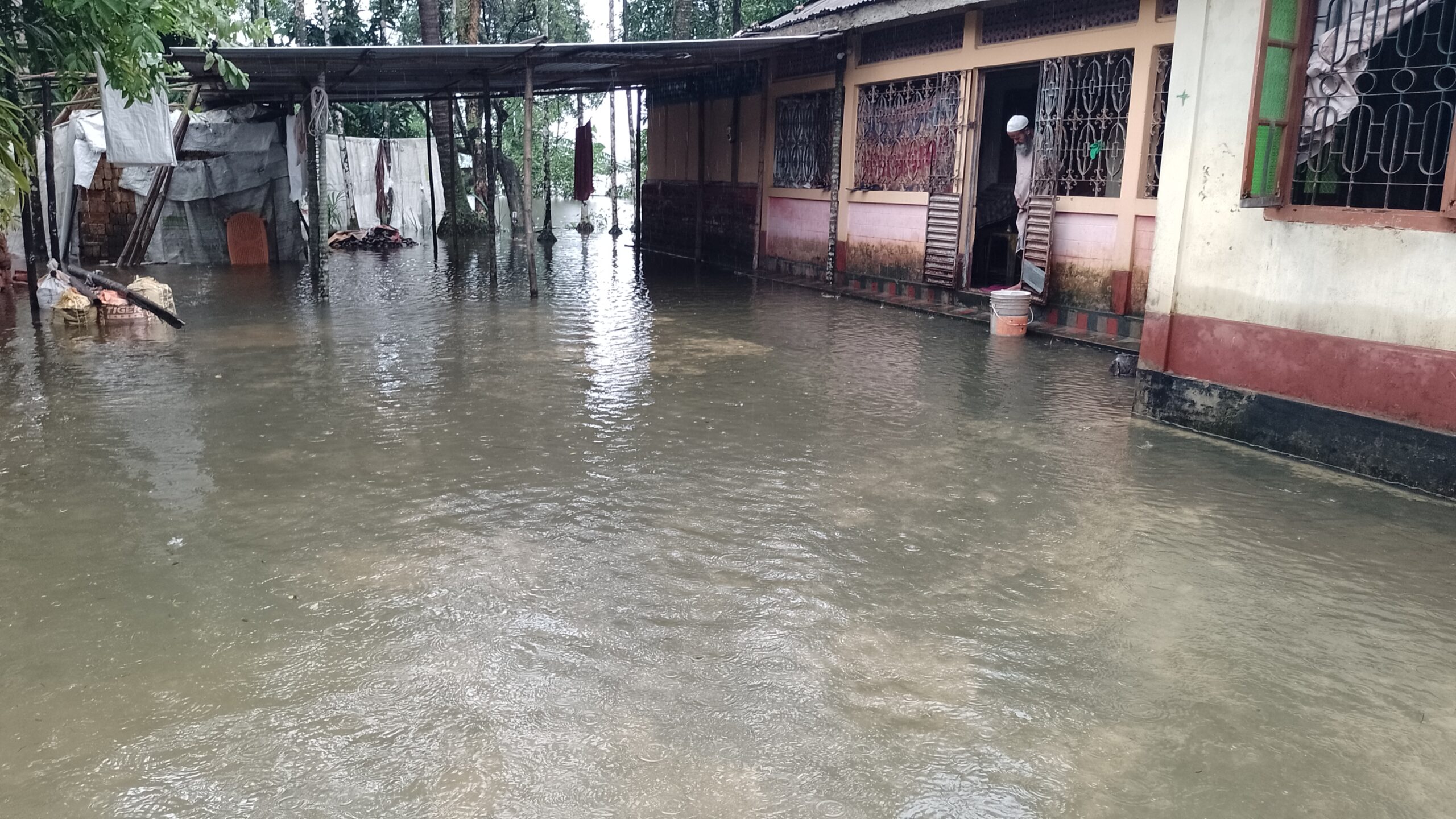
The rain is getting heavier and more unpredictable which causes sudden floods
We need to make a change and adopt strategies instead old ones
Environment Pulse desk
Assam Floods are not something that happens every year during a certain time. They are a warning sign that climate change is making natural disasters worse in areas that’re already very sensitive to changes in the environment. This is also showing us that the old ways of dealing with these problems using engineering are not enough.
Assam’s low areas around the Brahmaputra River combined with a lot of rain during the monsoon season melting snow in the Himalayas and the amount of sediment the river carries make about 40% of the state prone to flooding. Climate change is making this situation even worse.
There are some reasons why Assam Floods are getting worse.
Extreme rainfall: scientists are seeing that the rain is getting heavier and more unpredictable which causes sudden floods. Local people are saying that the summers are getting hotter the monsoon seasons are becoming irregular and the floods are carrying sediment.
Melting of glaciers: the warming of the Himalayas is causing the rivers to flow faster and is changing the way water moves in the long term, which is making erosion and sedimentation worse.
Human activities: things like cutting down trees, degrading watersheds losing wetlands and building infrastructure like walls and dams are making the natural ability of the region to deal with floods
These floods affect millions of people every year. The bad floods, like the ones in 2022 have caused deaths displaced a lot of people destroyed crops and damaged infrastructure badly. It is expected that the floods will become more frequent and intense in the coming decades.
There are some lessons to learn about dealing with climate change.
- Building walls along the river is not enough. Can even make things worse.
Since the 1950s, Assam has been relying heavily on these walls. Many of them are now damaged or broken and sometimes they make the floods worse by trapping water or failing suddenly. While they can provide protection, in the long term they do not deal with the root causes of the problem like sedimentation or the extreme weather caused by climate change.
We need to make a change and adopt strategies that combine building walls with solutions that use nature. This includes restoring forests and wetlands to slow down the water and reduce erosion, keeping or expanding the areas around the river to store water naturally and managing the river and watershed in a way. These solutions also have benefits like preserving biodiversity absorbing carbon and improving people’s livelihoods.
- Planning that uses data makes the region more resilient and fairer.
Some new initiatives like the IDEA-FRM model are using data to resources to the areas that are most at risk. Assam’s move towards a ” budget” for climate action is a good step forward.
The lesson here is to move from reacting to disasters to planning ahead using real-time data, mapping vulnerabilities and working together across different sectors.
- The knowledge of communities is very important.
Local and indigenous communities have developed ways to adapt to the floods over generations like building houses on stilts growing crops that can tolerate floods and farming in a way that’s diverse. Top-down policies have often ignored this wisdom resulting in solutions that do not work. Communities are very aware of the signs of climate change. Are looking for approaches that combine traditional knowledge with modern science.
The lesson is to involve communities in the decision-making process and blend their knowledge with modern science to come up with solutions that are effective, fair and suitable for the local culture.
- Coordination across areas and sectors is essential.
Managing floods effectively requires working across different states and even internationally, as well as managing water resources in a holistic way and reducing the risk of disasters.
- We need to accept that floods are the normal and invest in long-term resilience.
Repeated disasters are eroding people’s livelihoods causing migration and resulting in losses that are not just economic. It is vital to have warning systems, diverse livelihoods and infrastructure that is built to last.
The way forward is that Assam floods are showing us that climate change is already increasing risks in areas. The main lesson is the need for adaptation that involves combining engineered solutions with nature-based and community-led approaches, supported by strong data, finance and governance. While some initiatives, like data models and green budgeting are promising, scaling them up while addressing both global emissions and local ecosystem degradation will be crucial. By learning from each flood event and investing seriously in resilience Assam can reduce the suffering. Better manage the powerful dynamics of the Brahmaputra River in a changing climatic scenario.