



Member countries held extensive discussions at the annual meeting of the African Circular Economy Alliance
Promotion of circular economy will increase jobs within countries along with reduction in imports.
Environment Pulse desk
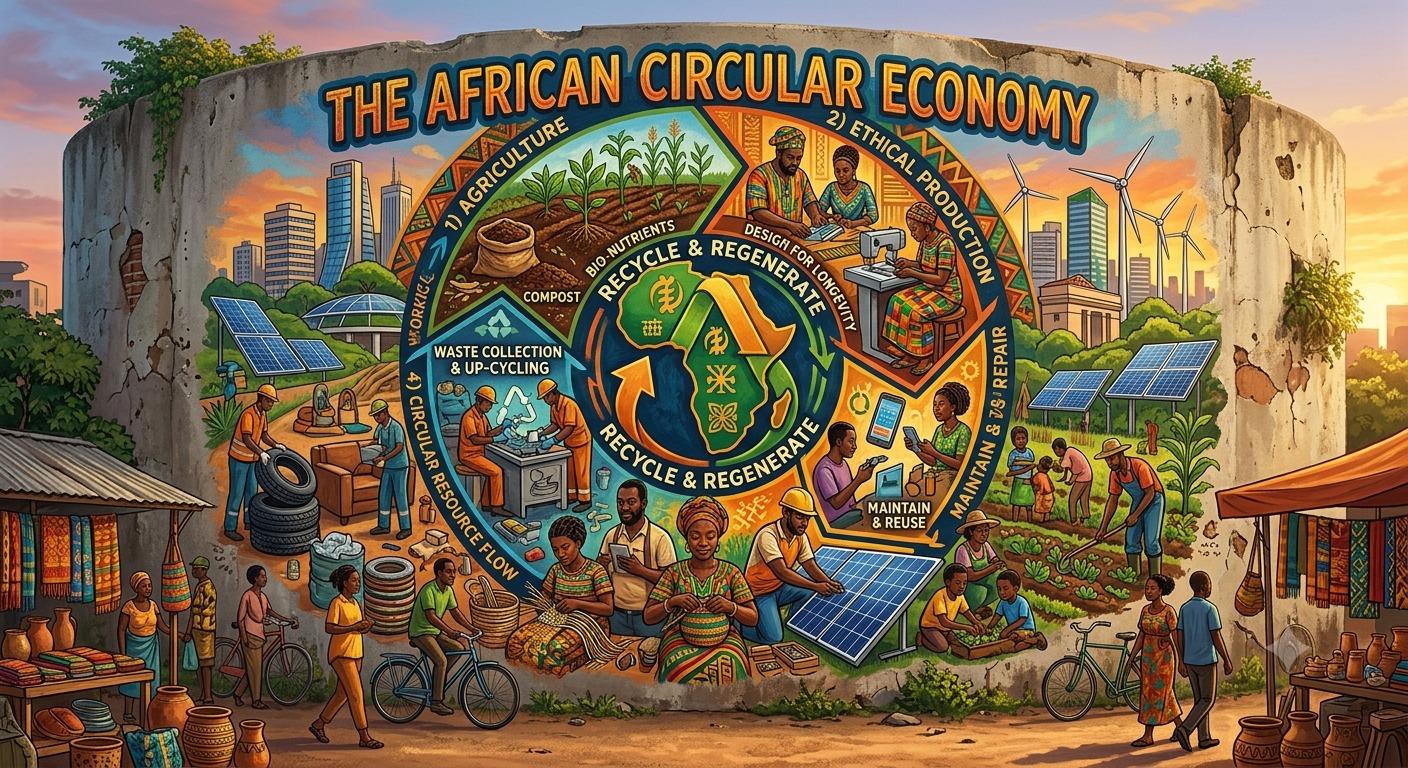
African countries are doubling down on their commitment to the circular economy. Leaders aren’t just talking about it—they’re putting real money and effort toward weaving circular principles and resource efficiency into national climate plans, infrastructure, and new industries.
At the 2026 Annual Meetings of the African Circular Economy Alliance (ACEA) in Abidjan, Côte d’Ivoire, delegates from 23 member countries met up with development partners, banks, and industry folks to figure out concrete ways to grow the continent’s circular economy. The goal? Shift from policy talk to action, create jobs, and build stronger regional value chains. The event, hosted by Côte d’Ivoire’s government and the African Development Bank Group through the African Circular Economy Fund, showcased the power of reuse, repair, remanufacturing, and recycling—not just for cutting down on imports, but for kick-starting new industries and jobs.
These efforts align with the African Union’s Circular Economy Action Plan for 2024-2034 and the African Continental Free Trade Area (AfCFTA), both key gears in building up regional markets and value chains. According a report in Devdiscourse, Anthony Nyong, Director of Climate Change and Green Growth at the African Development Bank, put it plainly: Africa needs to do more with its own resources. Instead of shipping out raw materials and bringing in finished goods, he pushed for keeping those resources moving within African economies to drive industrial growth. The conversation zeroed in on critical minerals and finance. With the world hungry for these minerals, participants called for ramping up local processing, building technical skills, and supporting regional industries to make the most out of Africa’s natural wealth. Delegates want to see more investment in circular ventures, easier access to funding, clear standards, and better regional markets to help turn early-stage projects into real industries. The International Labour Organization, speaking for the Partnership for Action on Green Economy, stressed that this shift should open up good jobs and bring benefits to marginalized communities.
In the same report of Devdiscourse, Gaël Ollivier from the UNDP in Côte d’Ivoire has been quoted as saying that making products last longer and strengthening value chains across the region are vital for creating jobs, building resilience, growing industry, and supporting sustainable development everywhere in Africa. Members of the African Circular Economy Alliance (ACEA) are teaming up to make a big splash on the global stage. They’ve agreed to present a united front at major upcoming summits—including COP31 in Turkey, COP32 in Ethiopia, the UN High-Level Political Forum, and the World Circular Economy Forum. Their mission? To make sure circular economy and resource-efficiency principles aren’t just an afterthought, but are baked directly into global climate finance, infrastructure projects, and industrial growth plans. What started a decade ago as a bold initiative by Rwanda, Nigeria, and South Africa has now expanded into a powerful network of 23 nations and over 20 strategic partners. It’s a huge milestone that proves just how vital the circular economy has become to building a stronger, more resilient economic future for Africa.
Also Read: Lucknow’s Kukrail Night Safari: Setting a New Standard for Urban Eco-Tourism