



This plan has been prepared through a partnership between the Government of India, the GEF, and the UNDP.
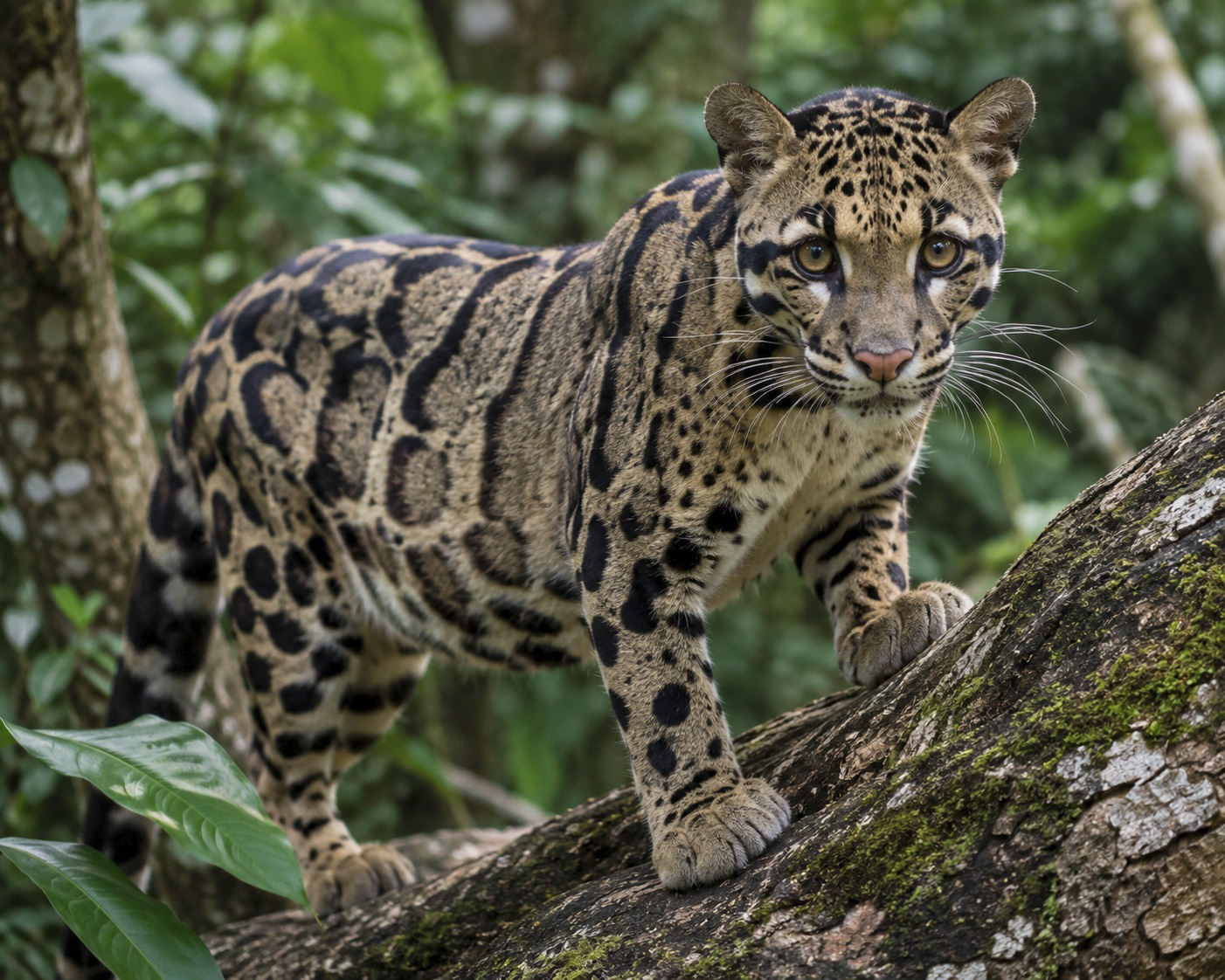
Launched a new Conservation Action Plan for the protection of the Clouded Leopard.
Environment Pulse desk
While the Indian Tiger seems to be getting back to its majestic self, there is another grave problem that seems to be raising its head. As India marked the International Clouded Leopard Day, the nation rolled out a fresh Conservation Action Plan to safeguard the best interests of Asia’s most elusive big cat. Wildlife watchers see this as a pretty big deal. The latest development revolves around Northeast India’s forests. The lid over the plan was lifted at a wildlife board meeting in Coimbatore back in mid-July. The plan came through a partnership between Indian government, Global Environment Facility (GEF), and United Nations Development Programme (UNDP).
Reportedly officials have zeroed in on 14 key forest landscapes across the Northeast that matter most for these cats’ survival. The idea especially is to reconnect forests that have become fragmented over the years. Essentially rebuilding the highways clouded leopards need to move between habitats instead of getting stuck in shrinking, disconnected patches of jungle.
Scientifically monitoring will happen via on camera traps, genetic testing, and even environmental DNA sampling to figure out how many of these leopards are actually out there and what they need to thrive. On the other hand, the forest staff are getting trained on anti-poaching tools like the M-STrIPES app, so enforcement on the ground gets sharper too.
Interestingly a lot of emphasis is being laid on the people who actually live near these forests. Instead of treating conservation as something separate from local communities, it builds in support for sustainable livelihoods. It will ensure nearby communities’ benefit from it too. Clouded leopards don’t exactly respect national borders, the plan opens the door to working with neighbouring countries.
It’s part of a bigger push to protect the forests and biodiversity of Northeast India — mixing habitat restoration, real science, community trust, and a bit of cross-border teamwork.
Also Read: UP Supplementary Budget allocates ₹1.475 crore for Groundwater Awareness