

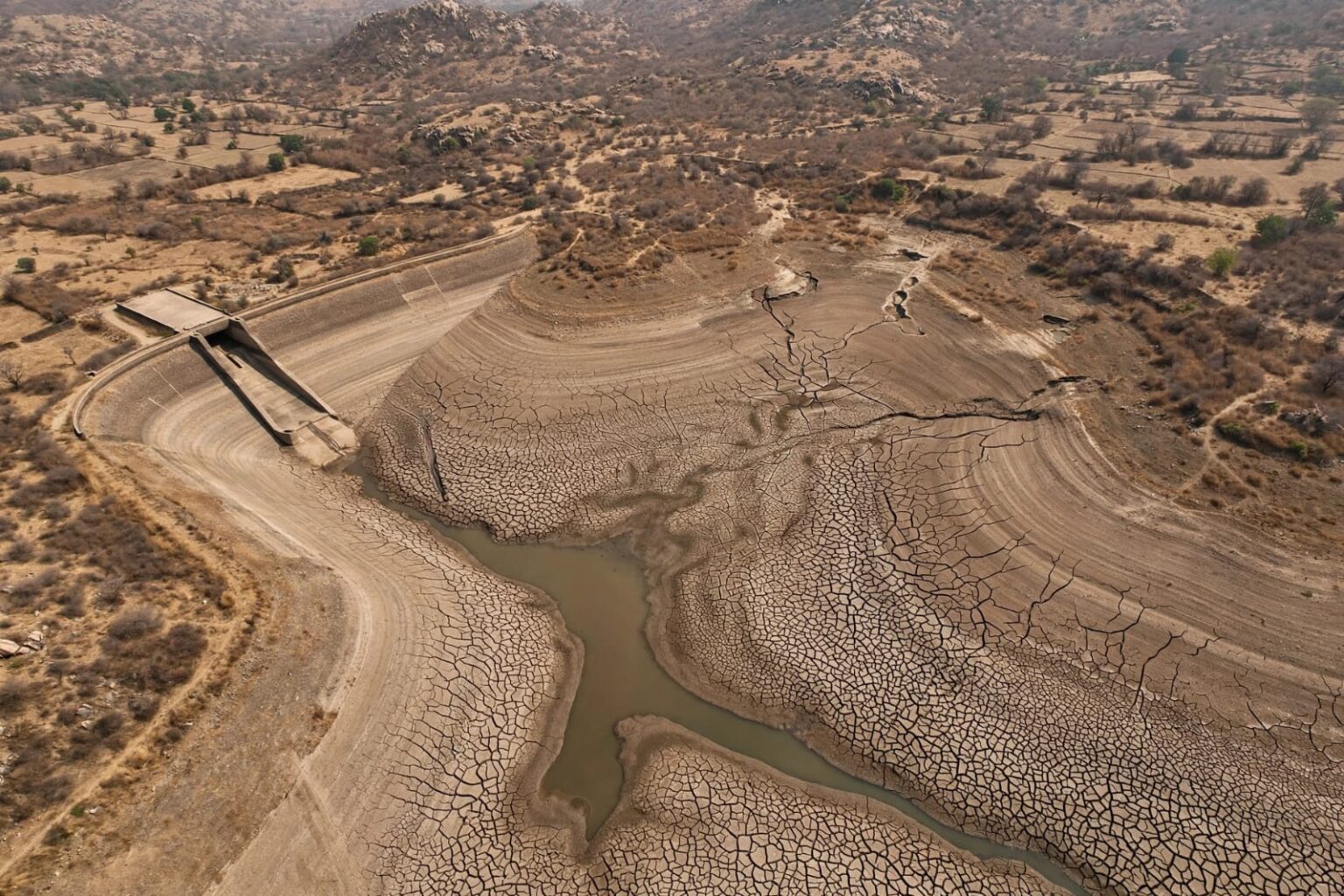

India’s major reservoirs are experiencing water levels significantly lower than last year and below the ten-year normal as the country enters the post-monsoon period, triggering growing concerns over irrigation, drinking water supplies, and hydropower generation. According to the Central Water Commission (CWC), monitored key reservoirs stood at 71.84% of their total live storage capacity on October 1, compared to 90.31% last year and a ten-year average of 81.79%. This deficit is primarily driven by a poor southwest monsoon, which finished with a 12-13% national rainfall shortfall and severe regional discrepancies, compounded by erratic precipitation and prolonged dry spells associated with El Niño conditions.
Environment Pulse Desk: Major reservoirs of India are not only running low compared to last year but also lagging the normal as the country enters into post-monsoon months raising worries on irrigation, drinking water and hydropower.
According to the Central Water Commission (CWC), the 178 key reservoirs it monitors had 71.84% of their total live storage capacity on October 1. It is 90.31% a year earlier on the same date, and the ten-year average is 81.79%. This makes this year’s storage level roughly 18 percentage points below last year and about 10 points under normal.
The primary reason is the poor southwest monsoon. Is extremely above normal in aquifer storage and groundwater replenishment areas, however rainfall ended September almost 12–13% below the average with deeper shortfalls also in parts of the north and some western locations. El Niño conditions compounded the issue, introducing erratic precipitation and prolonged periods of drought.
Where it hurts most
The worst affected is South India. At the end of September, early October reservoirs in Andhra Pradesh, Telangana, Karnataka, Kerala and Tamil Nadu were close to 49-50% of capacity as compared to nearly 88% a year ago. Andhra Pradesh is at 35 per cent, Tamil Nadu around 37 per cent, Telangana (41 per cent) and Karnataka (about 60 pct).
Maharashtra came in at slightly under 74%, down from nearly 89% last year. Parts of the state are declared drought-hit and Marathwada and Vidarbha at particular stress
Some districts are in far worse shape, and Rajasthan also lies at around 62%. Revered rainfall in Jodhpur’s reservoirs, that has capable only 16% water is on lofty alert leader a drought assessment survey.
Himachal and Punjab draw a blank across North India Earlier the levels were reported at about 62% compared to levels of more than 90% last year.
Several parts of Maharashtra and Karnataka have already been declared drought-hit. In the coming months, officials and experts warn that irrigation for rabi crop may be affected because of low storage, drinking water supplies under pressure and hydropower generation cut.
Authorities are emphasizing prudent water management till the next monsoon including efficient irrigation and groundwater recharge and conservation. The coming CWC updates will be closely monitored as the nation gets itself situated into the dry season.


