


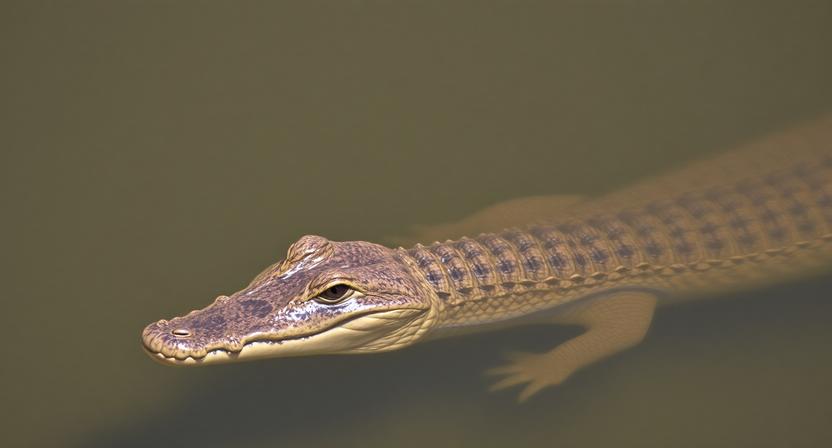

The Madras Crocodile Bank Trust and Centre for Herpetology (MCBT) has entered its 50th year, marking five decades of reptile conservation, research, and public education. Founded in 1976 by Romulus and Zai Whitaker, the institution has grown into a globally recognized centre hosting over 400 crocodiles and dozens of other reptile species, while launching a nationwide “Save the Reptiles” awareness campaign for its golden jubilee.
Environment Pulse Desk: The Madras Crocodile Bank Trust and Centre for Herpetology (MCBT), a pioneering institution in reptile conservation, has entered its 50th year, marking five decades of efforts to protect crocodilians and promote awareness about reptiles.
Established on August 26, 1976, by renowned herpetologists Romulus “Rom” Whitaker and Zai Whitaker along with a group of conservationists, the facility on the East Coast Road near Mahabalipuram was founded with a focused objective: to breed India’s three endangered crocodilian species—the mugger crocodile, saltwater crocodile and gharial—and eventually help replenish declining wild populations. The institution began modestly at a time when crocodiles were under severe pressure from hunting for their skins.
The founders relied on wedding gifts, family assistance and proceeds from selling personal belongings to establish the facility. Land along the coast was acquired at a comparatively low price, providing space for what would become one of the country’s most recognised centres for herpetology. Five decades later, the 8.5-acre campus is home to more than 400 crocodiles, including over 47 gharials, as well as 32 other reptile species comprising turtles, snakes and lizards.
The centre houses representatives of 15 of the world’s 25 crocodilian species, including several species classified as threatened or critically endangered by the International Union for Conservation of Nature (IUCN). Over the years, the Crocodile Bank has successfully bred thousands of crocodiles and developed into a major centre for conservation education and research.
It also attracts hundreds of thousands of visitors each year, giving the public an opportunity to learn about reptiles and their role in natural ecosystems. In its early years, the facility functioned partly as a genetic repository, with the hope that captive-bred crocodiles could eventually be released into the wild. However, large-scale releases gradually declined as suitable wilderness habitats became increasingly limited.
The experience highlighted a major challenge facing captive-breeding programmes worldwide: breeding endangered animals is only one part of conservation when their natural habitats are disappearing or becoming unsuitable. As a result, the institution’s work has increasingly expanded beyond captive breeding. Its activities now include ex-situ conservation, scientific research, environmental education and projects aimed at supporting reptiles and their habitats in the wild.
The organisation has also played a wider role in conservation initiatives, including efforts related to snakebite mitigation, the Irula Snake Catchers’ Cooperative and environmental work in the Andaman and Nicobar Islands. Public awareness programmes have sought to challenge longstanding misconceptions about snakes, crocodiles and other reptiles while highlighting their importance to healthy ecosystems.
The daily work at the Crocodile Bank depends on handlers, researchers, educators and volunteers who monitor the animals, maintain enclosures and study their behaviour. Such close observation is particularly important with reptiles, which can often conceal signs of illness until their condition becomes serious.
The golden jubilee year is also being used to take the conservation message beyond the Crocodile Bank. Trustee Ganesh Muthiah is scheduled to undertake a 15,000-kilometre journey across 20 Indian states over 120 days as part of a new “Save the Reptiles” campaign designed to expand public participation in reptile conservation. From an unconventional beginning funded partly through wedding gifts to an internationally recognised centre for herpetology, the Madras Crocodile Bank has evolved significantly over five decades.
Its 50th anniversary is not only a celebration of past achievements but also a reminder of the challenges ahead, particularly habitat loss, maintaining viable captive populations and promoting coexistence between people and reptiles. As the institution begins its next chapter, the conservation lessons of the past five decades are likely to shape efforts to protect India’s reptiles and their increasingly fragile habitats for the years to come.
Also Read: Delhi Moves to Phase Out Petrol Rickshaws and Scooters Under New EV Policy