
The global toy industry, traditionally heavily reliant on non-recyclable plastic, is gradually shifting toward sustainability due to mounting regulatory pressure and eco-conscious consumer demand. Major brands like LEGO, Mattel, Playmobil, and Hasbro are redesigning their products by incorporating bio-based materials, sugarcane-derived plastics, and recycled content, while smaller brands utilize sustainably sourced wood, bamboo, and recycled milk jugs. To combat the issue of toys ending up in landfills, companies are promoting circular economies through take-back and recycling programs, improved product durability, repair initiatives, and toy-sharing models. Furthermore, the industry is replacing plastic packaging with recyclable paper and cardboard, adopting renewable energy in manufacturing, and introducing educational toys designed to teach children about environmental conservation from an early age. Despite challenges like high material costs and supply chain adjustments, the toy sector is steadily pivoting toward a sustainable and circular future.
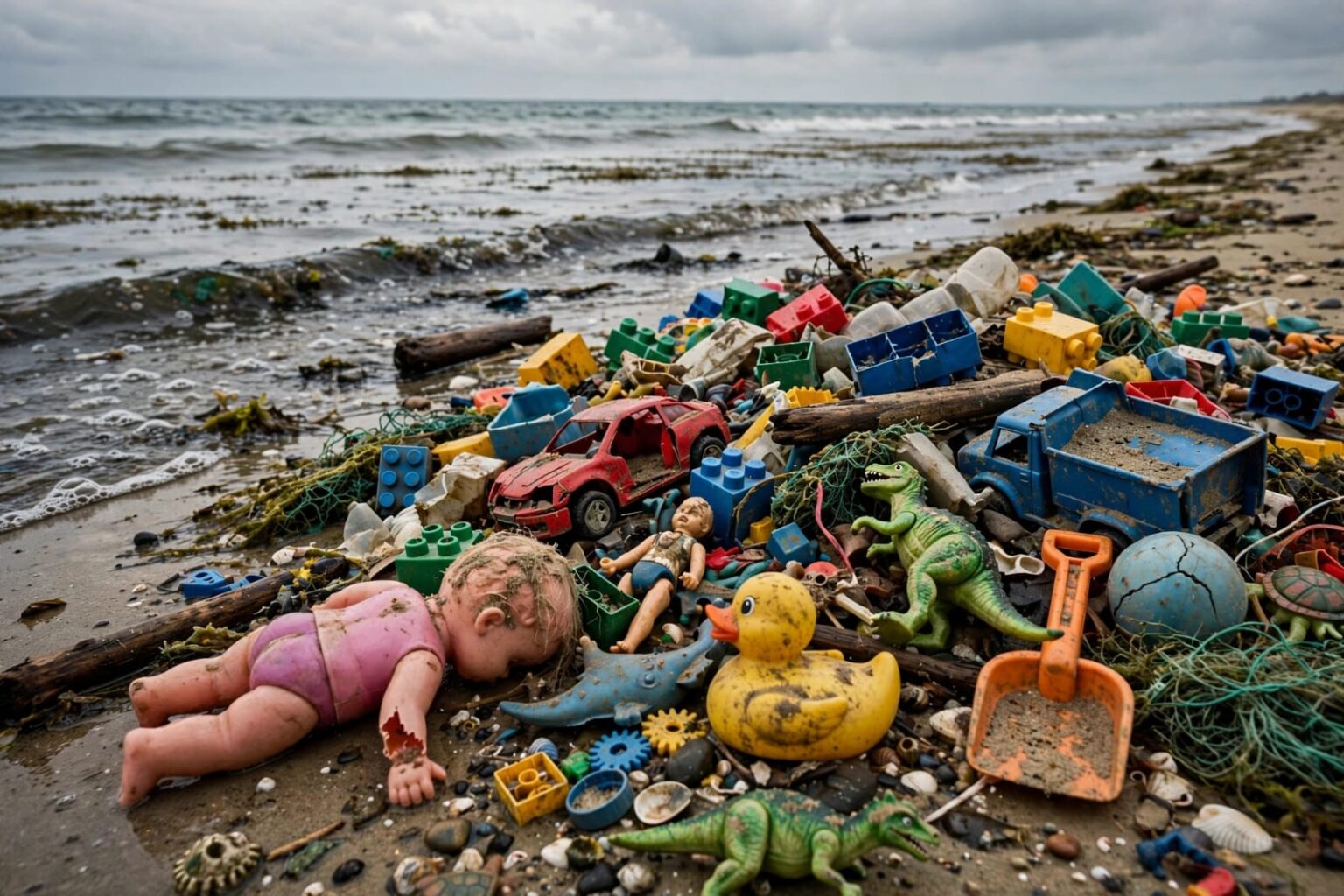
Environment Pulse Desk: Toys have had a plastic problem for decades. Almost 90% of toys that are on the market include plastic, and we throw most away only a few years later — much of this plastic never gets recycled. But things are changing in the industry, spurred both by pressure from regulators and a rising wave of parents who now consider sustainability when they purchase.
Rethinking Materials
The biggest change is easily what those toys are made from. After years of testing upended ideas for something different than an oil-based plastic, LEGO has about a fifth of its bricks from non-fossil sources, including polyurethane made from sugarcane. The firm has committed to get just half its plastic from renewable or recycled sources by 2026 and complete sustainability by 2032.
As with you, Mattel wants more of the same, aiming for all plastics used in products and packaging to be either recycled or bio-based by 2030. The “Barbie Loves the Ocean” range contains ocean-bound recycled plastic, while select Fisher-Price products are made with bio-based materials. With particular lines, Playmobil has gone even further — its toddler range is nearly 90% plant-based and its Wiltopia collection is just under 80% recycled or bio-based content, on average. Hasbro, however, created greener versions of older toys like Monopoly, Mr. Potato Head and Play-Doh.
Early entrants in this space have been smaller, sustainability-targeted brands. Green Toys uses recycled milk jugs and yogurt containers, while PlanToys relies on rubberwood harvested from latex trees at the end of their sap-producing lifetimes. Some rely on FSC-certified wood, bamboo, organic cotton, cork or natural rubber instead. Wooden toys generally have a smaller carbon footprint than plastic toys, when sourced sustainably.
Keeping Toys in Circulation Longer
Since nearly 80% of toys will eventually be thrown into landfills or oceans, a large part of the response of the industry is to learn how to play with products longer instead of just creating them from better materials. Hasbro rolled out one of the first toy recycling efforts in the U.S. and has a more traditional take-back program, called PlayBack, which is run by Mattel. An ever-increasing number of brands are catching on still, and an expanding portion of consumers is embracing these programs.
In addition to recycling, companies are exploring the design of toys for greater durability, repairability, or modularity — and others are piloting new subscription or toy-sharing models that can lessen the frequency of new purchases. And with repair programs (including some that use 3D printers to create replacement parts), as well a thriving secondhand market, toys will live even longer.
Cleaning Up Packaging and Production
Packaging has also been a favorite target. LEGO is removing plastic from packaging in an initiative aimed at moving children toward eco-friendly packaging made with recycled and FSC-certified paper, while companies like Disney, Mattel and Hasbro have also been reducing plastic-focused on moving towards recyclable paper or cardboard solutions for their products. Manufacturing: Some factories have embraced solar and efficiency improvements — for example, by installing a solar roof to lower electricity use and emissions (eg, PlanToys). Thankfully, a lot of brands are getting rid of PVC and other toxic materials from their products.
Teaching Sustainability Through Play
It ain’t just that, though: toys are increasingly becoming sustainable to make in the first place — some even designed specifically with sustainability lessons built-in. Some of these help foster an awareness of the environment from a young age like well-established sets that introduce kids to clean energy, nature or recycling such as PlanToys’ Green Dollhouse or the sustainability-themed LEGO sets worked on with WWF. You are not getting paid. Research indicates that children and parents respond well to this format of training.
The Bigger Picture
A little further up the chain, there’s quantifiable progress: increasing recycled material content in products; using more renewable energy in factories; and improved packaging practices across the industry. However, genuine challenges still exist — sustainable, safety-compliant substitutes to plastic are by no means cheap at scale and supply chains are yet to fully adapt. Yet the direction is obvious: an industry that was once all about throwaway plastic is slowly, but surely pivoting its pipeline towards re-use, recycled content and a circular perspective on how we manufacture and dispose of toys.
Also Read: The Stakeholders’ Meet marks the 15 Foundation Day of SECI.