


How a 15-year-old’s quiet strike outside the Swedish parliament sparked a world-altering climate movement.
Unpacking Thunberg’s relentless, plain-spoken confrontation of global leaders and climate inaction.
Environment Pulse desk
In a world full of activists, gunning for various causes, few stand out. At a young and very impressionable age, Greta Thunberg has dared to talk about things which people usually turn a blind eye towards. People have rarely reshaped public conversation around climate change the way Greta Thunberg has. She hit global headlines for the first time when she was spotted as a lone teenager sitting outside the Swedish parliament. Over the next decade since then she has turned into one of the most recognizable climate movements in the world — built on protest, plain-spoken confrontation, and a refusal to separate personal conduct from political demands.
A School Strike That Went Global
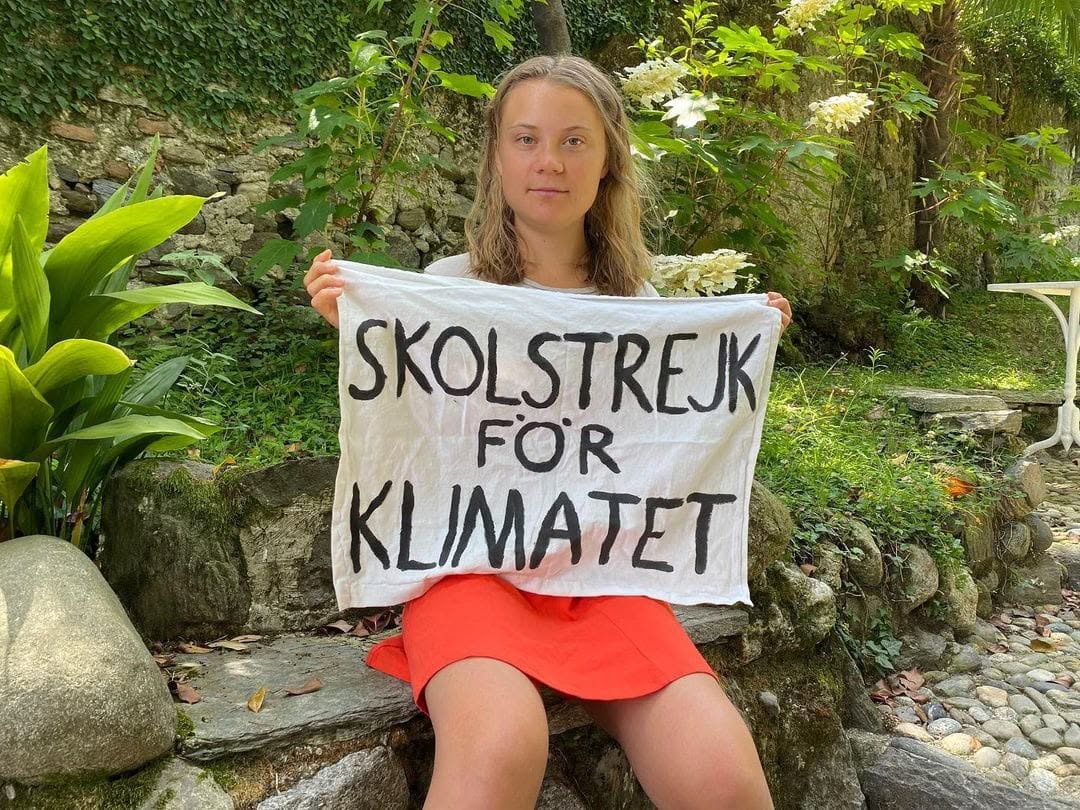
That image from Thunberg’s activism in August 2018, when she was just 15 sitting outside the Riksdag, Sweden’s parliament, with a hand-painted sign reading “Skolstrejk för klimatet” — School Strike for Climate still haunts. A powerful message for a world which until then was looking the other way. Her demand was simple: that Sweden hold itself to the commitments it had made under the Paris Agreement.
Starting from one person outside the Swedish Patliament, word spread, other students joined in, and within a year the idea had turned into Fridays for Future, a loose but far-reaching movement of students skipping class on Fridays to demand climate action. By 2019, it had pulled in millions of participants across dozens of countries, with the largest coordinated strike drawing an estimated four million people onto the streets worldwide.
Speaking Bluntly to Power
Today Thunberg is a fixture at the world’s biggest climate gatherings — UN climate conferences, the UN Climate Action Summit, the World Economic Forum in Davos, and numerous national parliaments.
She has never been the diplomatic sounding activist. Direct, unsentimental, and rooted in scientific fact rather than political nuance. Lines like “How dare you?” and warnings that “our house is on fire” weren’t just soundbites — they became shorthand for a broader shift in how younger generations began speaking to those in power, a shift some commentators have taken to calling the “Greta effect.”
Taking It to the Streets
Going beyond usual rhetoric, Thunberg has repeatedly put herself on the front lines of direct action against fossil fuel infrastructure. She’s stood with protesters opposing coal mining expansion in Germany’s Garzweiler and Lützerath region, joined blockades outside oil and gas industry conferences, and in 2025 took part in a demonstration alongside Extinction Rebellion activists blocking Norway’s Mongstad oil refinery, demanding an accelerated phase-out of oil and gas production. She was also among those acquitted in a London case tied to an industry conference blockade — a reminder that her activism has, on more than one occasion, carried real legal risk.
Practicing What She Preaches
Thunberg has long argued that individual lifestyle choices won’t solve the climate crisis on their own — but she’s also made a point of living in line with what she asks of others. She avoids flying altogether, having famously sailed across the Atlantic rather than take a flight to UN engagements, and has spoken about pushing her own family toward lower-carbon habits, including cutting out air travel and adopting a vegan diet.
Books, Media, and Legal Backing
Her influence hasn’t been limited to protests and speeches. Thunberg has used books — including The Climate Book, along with published collections of her speeches — alongside interviews and social media to keep climate science and questions of climate justice in public view. She’s also put her platform toward legal efforts, notably channeling prize money through her foundation to support a Norwegian Supreme Court case challenging Arctic oil drilling licenses, known as “The People vs. Arctic Oil.”
Where Things Stand Now
Now in her early twenties, Thunberg remains active on climate issues while her activism has broadened to touch on wider social justice causes, including pro-Palestinian advocacy — a shift that has drawn both attention and criticism from some who feel it pulls focus from her original cause. Her climate-specific work has continued regardless: she’s spoken out during the UK’s extreme heatwaves, warning that such events are “only the beginning” and criticizing political leaders for inaction in the face of continued fossil fuel lobbying, and has used festival appearances to draw attention to wildfires and the broader erosion of the systems life depends on.
Fridays for Future itself has become more decentralized over the years, with its public visibility rising and falling depending on the moment — but the underlying argument Thunberg has repeated since 2018 hasn’t changed. Governments and corporations, she maintains, still aren’t treating the climate crisis with anything close to the urgency the science demands. Those who’ve contributed least to the problem, she points out, are often the ones left to bear its worst consequences. And rather than waiting on hope or gradual policy shifts, she continues to insist that real change requires people to organize, step outside their comfort zones, and push for systemic change head-on.
Also Read: LG Sinha pushes for nature-based solutions as Himalayas battle climate crisis