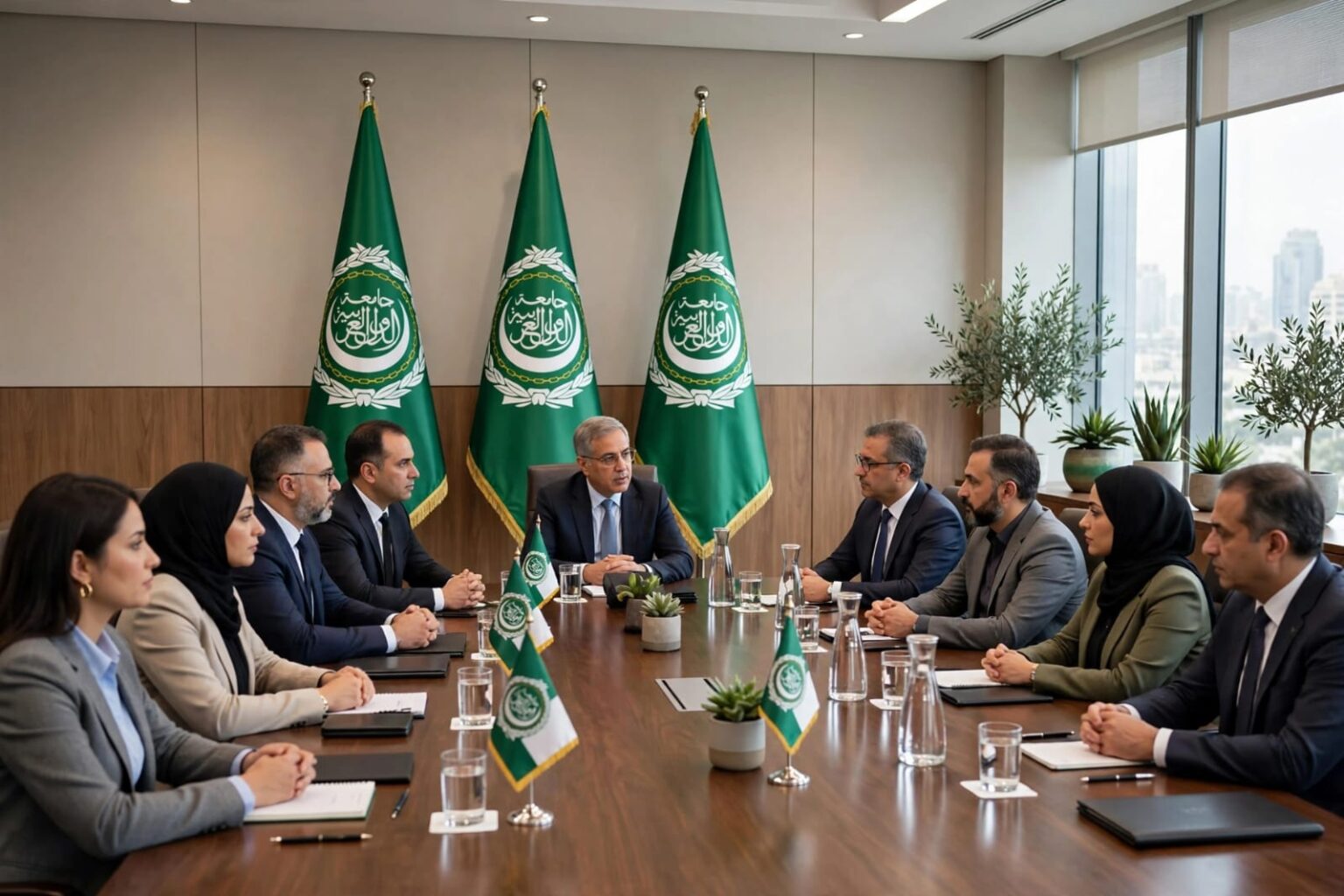

The Technical Committee on Environment, a sub-committee of the Council of Arab Ministers Responsible for the Environment (CAMRE), opened its 27th meeting in Cairo on September 27, 2026. Aligning with Arab Agriculture Day, the discussions heavily focused on “Sustainable Arab Pastures” as a vital cornerstone for food security, rural livelihoods, and climate resilience, echoing global initiatives like the International Year of Rangelands and Pastoralists.
Environment Pulse Desk: On 27 September, in Cairo; the opening of the 27th meeting of the Technical Committee on Environment, a sub-committee for the Council of Arab Ministers responsible for the Environment (CAMRE) was organized.
An agenda packed with discussions around sustainable food security, Arab lands of the future and how to integrate water, agriculture and environmental policies in a climate resilient world has occupied minds of delegates.
Why pastures, and why now
This meeting comes on the occasion of this year’s Arab Agriculture Day, which also revolves around “Sustainable Arab Pastures: A Cornerstone for Sustainable Agricultural Development and Future Generations’ Food Security”. At its 37th session, the Council opted for a closely related topic: Sustainable Pastures Make Resilience Possible.
According to the Arab League General Secretariat, this overlap confirms how aligned joint Arab priorities are in the area of environment and agriculture with development issues. As it pointed out, pastures are at the intersection of water, food security and rural livelihoods.
Looming large was the imperative that protecting them is not a job of one sector, the secretariat said. It requires joined -up policies and improved coordination across government. The question has also acquired international weight, as this year is being declared the International Year of Rangelands and Pastoralists: only recently COP17 of the UN Convention to Combat Desertification in Mongolia put rangelands on the global agenda.
What’s on the table
The draft agenda contains 21 items, divided into two categories and a technical secretariat report on the implementation of decisions agreed to at the previous meeting.
The first topic focuses on global environment treaties and conferences. This includes the outcome of the 24th session of the Arab Group on Biodiversity and Combating Desertification, as well as UNCCD conference results, nature-based solutions, and integrated water-agriculture-environment policy. It also adjust for international treaties on chemicals, waste and the ozone layer.
This is also the theme for climate change. Delegates will attempt to coordinate a unified Arab negotiating position in preparation for COP31. They will also discuss sustainable production and consumption, and prepare for the Arab Forum on Sustainable Development, the High-Level Political Forum on Sustainable Development and the UN Environment Assembly.
The second theme focuses on the environment in Palestinian territories and throughout Arab countries. They include the Arab Forum for Environment; The Arab Environment Facility; the environmental situation in Palestine; and Arab countries affected by environmental disasters. Delegates will also consider the Arab Environment Capital initiative, an award from the Council and a thematic proposal for the 38th session as well as the two themes of “Arab Environment Day” 2027 and 2028.
Various other areas also were examined including, the Arab Regional Environmental Outlook report (2014), the blue economy and frameworks for international cooperation on environment and development issues.
What comes next
The committee recommendations will form the basis of Council decisions, the General Secretariat added. It hopes the talks yield concrete suggestions that reinforce a common Arab voice before international forums and convert shared priorities into tangible programs.