



By using this site, you agree to the Privacy Policy and Terms of Use.
Accept
Environment PulseEnvironment PulseEnvironment Pulse
Notification Show More
Font ResizerAa
  • ईको सिस्टम
    • जल
    • जंगल
    • जमीन
    • हवा
    • खनिज
    • जैव-विविधता
    • गतिविधियां
  • कचरा-प्रबंधन
    • ग्रीन बिजनेस
    • रीसाइकलिंग
    • इन्नोवेशन
    • इनिशिएटिव्स
  • फ्यूचर ग्रीन
    • ऊर्जा
    • सस्टेनिबिलिटी
    • इलेक्ट्रिक व्हीकल
    • कृषि एवं खाद्य
  • ओपिनियन
    • विचार
    • इम्पैक्ट फीचर
    • स्टोरी
  • मल्टीमीडिया
    • वीडियो
Reading: Carbon Dioxide Just Hit 425.3 ppm, and the Climb Isn’t Slowing
Share
Font ResizerAa
Environment PulseEnvironment Pulse
  • ईको सिस्टम
  • कचरा-प्रबंधन
  • फ्यूचर ग्रीन
  • ओपिनियन
  • मल्टीमीडिया
Search
  • ईको सिस्टम
    • जल
    • जंगल
    • जमीन
    • हवा
    • खनिज
    • जैव-विविधता
    • गतिविधियां
  • कचरा-प्रबंधन
    • ग्रीन बिजनेस
    • रीसाइकलिंग
    • इन्नोवेशन
    • इनिशिएटिव्स
  • फ्यूचर ग्रीन
    • ऊर्जा
    • सस्टेनिबिलिटी
    • इलेक्ट्रिक व्हीकल
    • कृषि एवं खाद्य
  • ओपिनियन
    • विचार
    • इम्पैक्ट फीचर
    • स्टोरी
  • मल्टीमीडिया
    • वीडियो
Have an existing account? Sign In
Follow US
Environment Pulse > ओपिनियन > स्टोरी > Carbon Dioxide Just Hit 425.3 ppm, and the Climb Isn’t Slowing
AI Image
स्टोरी

Carbon Dioxide Just Hit 425.3 ppm, and the Climb Isn’t Slowing

Environment Pulse
Last updated: October 12, 2026 7:56 pm
Environment Pulse
Published: October 12, 2026
Share
AI Image
SHARE

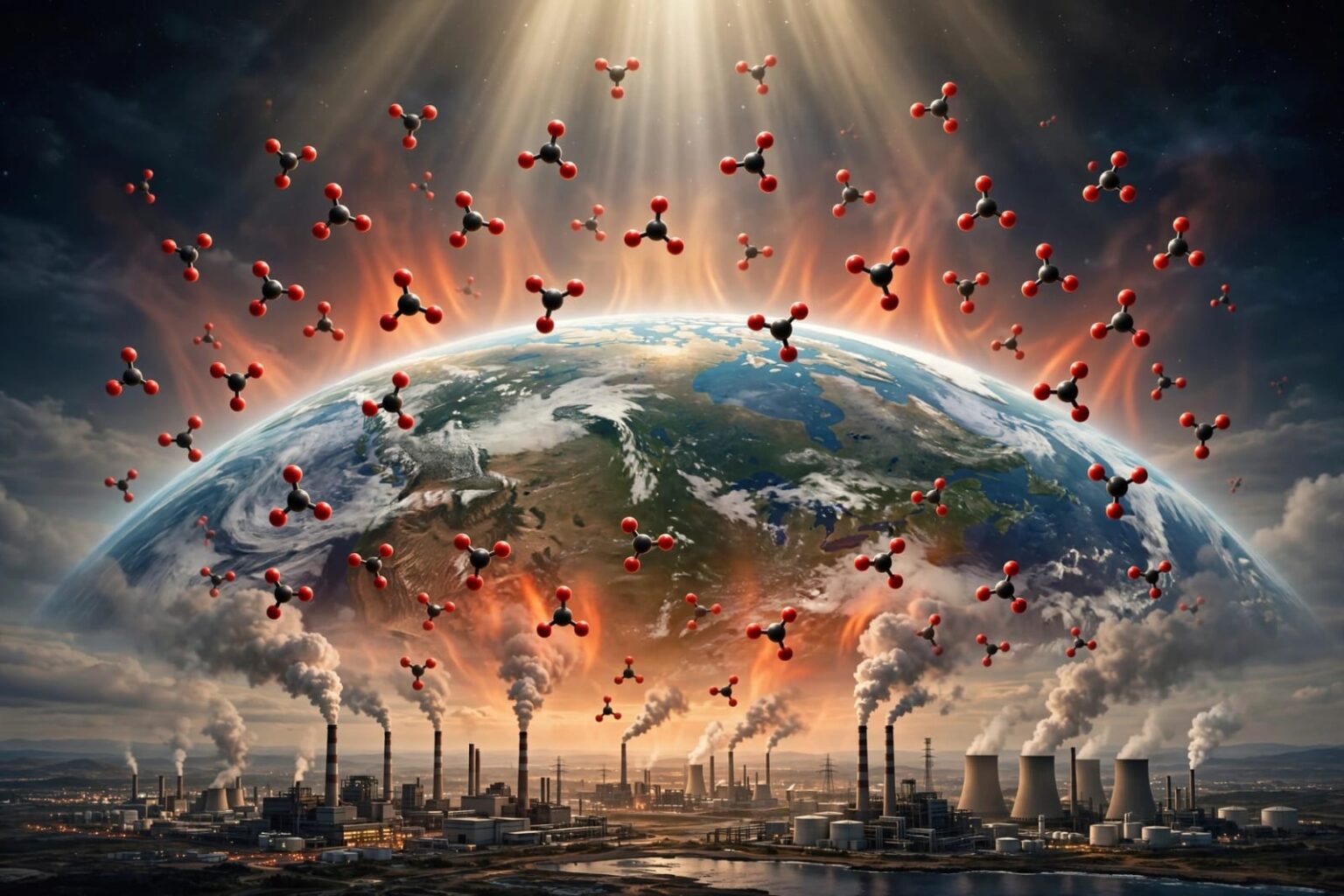
On October 2nd, 2026, the Mauna Loa Observatory recorded atmospheric CO₂ levels at 425.3 ppm, with subsequent mid-October readings surpassing 426 ppm and global averages nearing 428 ppm. verified by NOAA and the Scripps Institution of Oceanography, these numbers highlight an ongoing upward trend far beyond the pre-industrial baseline of 280 ppm and the safe climate threshold of 350 ppm. Driven primarily by fossil fuel combustion and deforestation, current CO₂ concentrations are over 1.5 ppm higher than during the same period in 2025. Scientists warn that these rising emissions exponentially increase the risk of extreme weather, sea-level rise, and ecosystem damage, making the Paris Agreement climate goals increasingly difficult to reach without an accelerated transition from fossil fuels.

Environment Pulse Desk: On October 2nd, 2026, the Mauna Loa Observatory in Hawaii measured a daily average of 425.3 parts per million (ppm) of CO2 in the atmosphere. Both NOAA and the Scripps Institution of Oceanography, creators of the well-known Keeling Curve, verified this measurement. This value represents the most recent indication of just how far away we have gotten from the atmosphere our climate developed within.

The readings have not ended. Following those first readings, Mauna Loa reached over 426 ppm and the global average was estimated to be near 428 ppm in mid-October.

In other words, CO₂ levels were approximately 280 ppm prior to the start of the Industrial Revolution. At some point during the period from 2013-2015, we passed the 400 ppm threshold. Since then, CO₂ levels have continued to increase. Climate researchers generally believe that any level of CO₂ greater than 350 ppm is consistent with an unstable climate. Additionally, as CO₂ levels exceed 400-450 ppm, the potential for significant warming, extreme weather conditions, sea level rise, and damage to ecosystems increases exponentially.

A portion of your view of the data is simply part of Earth’s natural cycles. When the Northern Hemisphere has a growing season, plants absorb carbon dioxide, resulting in lower atmospheric carbon dioxide levels. As vegetation begins to die off and decay in late fall, atmospheric carbon dioxide levels will begin to increase. If you take a step away from those annual fluctuations, however, the trend becomes very clear – up every single year due primarily to burning fossil fuels and clearing forests. During the first few weeks of October of this year, weekly average carbon dioxide levels were at least 1.5 ppm higher than the same weekly average levels for 2025.

Every additional parts per million (ppm) of CO2 will contribute to the amount of warming that has already been committed to. Therefore, meeting the Paris Agreement objectives — keeping warming at or below 1.5°C or substantially below 2°C — will become more difficult to achieve unless emissions decrease quickly and significantly. Experts have stated that the most recent data is yet another reason for accelerating the transition away from fossil fuel based energy sources.

Also Read: Global ‘30 by 30’ Push: Land Protections Near 18–20%, but Oceans Lag Far Behind at Under 10%

You Might Also Like

विशाखापत्तनम में गूगल के $15 अरब के AI डेटा सेंटर पर गहराया विवाद, पानी संकट और वन्यजीवों को लेकर ज़मीनी विरोध शुरू
Metropolitan Air Quality: A Warning Signal for the Planet’s Environmental Future
एआई-आधारित पूर्वानुमान प्रणाली का बड़ा संकेत, फरवरी 2027 तक बना रह सकता है अल नीनो
Deadlock Deepens at World’s Top Climate Science Body Over Report Timelines and Emissions Responsibilities
नेपाल में बाढ़ से उबरने के लिए लॉस एंड डैमेज फंड से 2.16 करोड़ डॉलर की मदद
TAGGED:Carbon dioxide levels (CO₂)Climate changeDeforestationFossil fuelsGlobal warmingKeeling CurveMauna Loa ObservatoryNOAAParis AgreementScripps Institution of Oceanography
Share This Article
Facebook Whatsapp Whatsapp LinkedIn Email Copy Link Print
1 Comment
  • Pingback: Deadlock Deepens at World’s Top Climate Science Body Over Report Timelines and Emissions Responsibilities – Environment Pulse

Leave a Reply Cancel reply

Your email address will not be published. Required fields are marked *

Follow US

Find US on Social Medias
FacebookLike
XFollow
InstagramFollow
YoutubeSubscribe
LinkedInFollow
Popular News
जलस्टोरी

योगी सरकार 1.04 करोड़ से संवारेगी गोमती नदी का उद्गम स्थल

Environment Pulse
Environment Pulse
July 2, 2026
खनिज कानून पर सियासी संग्राम: राज्यों के अधिकार बनाम केंद्र की ‘आर्थिक स्थिरता’
इंडोनेशिया में अनक क्राकाटोआ के पास समुद्र से उभरीं दो नई भू-आकृतियां
UP Government provides Rs. 210 crore in subsidies for electric vehicles, over 43,000 people benefit
लखनऊ में वायु प्रदूषण की हो सकेगी त्वरित निगरानी, पुराना कचरा हटेगा

Categories

  • जल
  • जमीन
  • जंगल
  • जैव-विविधता
  • हवा
  • खनिज
  • ऊर्जा
  • ग्रीन जॉब
  • स्टोरी
  • इम्पैक्ट फीचर
  • वीडियो

About US

Environmentpulse.com is a bilingual (Hindi-English) news platform that presents high-quality news, views, and videos related to the environment.
Quick Link
  • ऊर्जा
  • खनिज
  • जैव-विविधता
  • जंगल
Top Categories
  • My Bookmark
  • Contact
  • Privacy Policy
Environment PulseEnvironment Pulse
© Pratham Publisher and Informatics Private Limited. All Rights Reserved. | Developed By: Tech Yard Labs
Welcome Back!

Sign in to your account

Username or Email Address
Password

Lost your password?
